Alarm Systems: Safeguarding Lives and Property in the Modern World
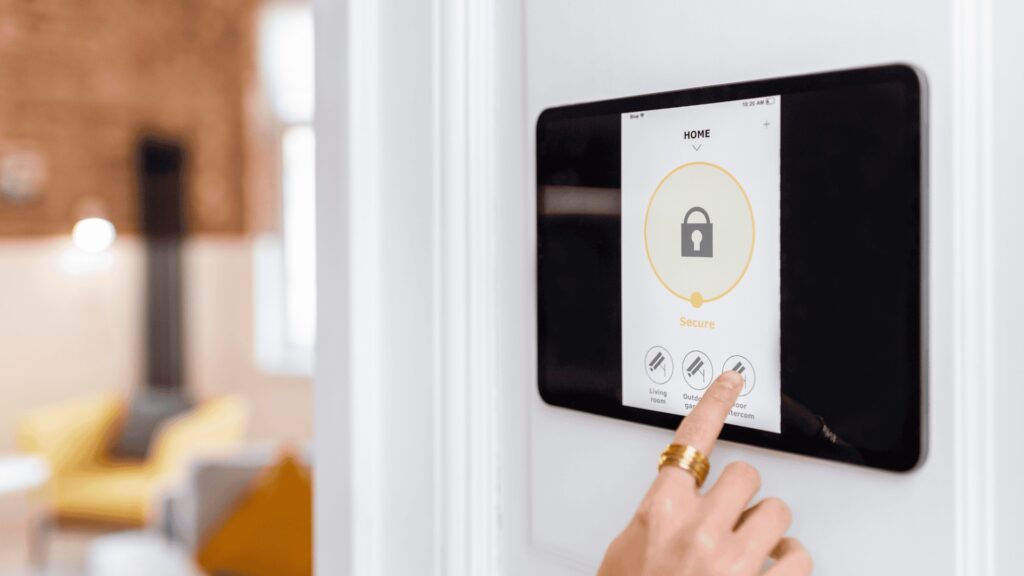
In today’s fast-paced and unpredictable world, security has become one of the top priorities for individuals, businesses, and institutions. Among the various safety technologies available, the alarm system stands out as a crucial tool for preventing theft, detecting emergencies, and ensuring timely responses to potential threats. From simple home alarms to sophisticated industrial monitoring networks, these systems serve as the first line of defense in safeguarding people and property.
What Is an Alarm System?
An alarm system is an integrated network of sensors, detectors, and control units designed to identify unauthorized access, fire, gas leaks, or other emergencies—and alert users or authorities immediately. These systems are widely used in residential homes, commercial buildings, industrial facilities, and vehicles to provide 24/7 protection.
When an alarm is triggered, the system can activate sirens, lights, or notifications, and in advanced models, send alerts directly to a security service provider or a user’s mobile device.
How Alarm Systems Work
Alarm systems operate through a combination of detection, processing, and notification:
- Detection – Sensors and detectors identify unusual activities, such as movement, open doors, broken glass, smoke, or gas leaks.
- Processing – The system’s control panel receives signals from the sensors and determines whether they represent a real threat.
- Notification – If a threat is detected, the system triggers alarms (sound or light) and may send alerts via SMS, phone call, or an internet connection.
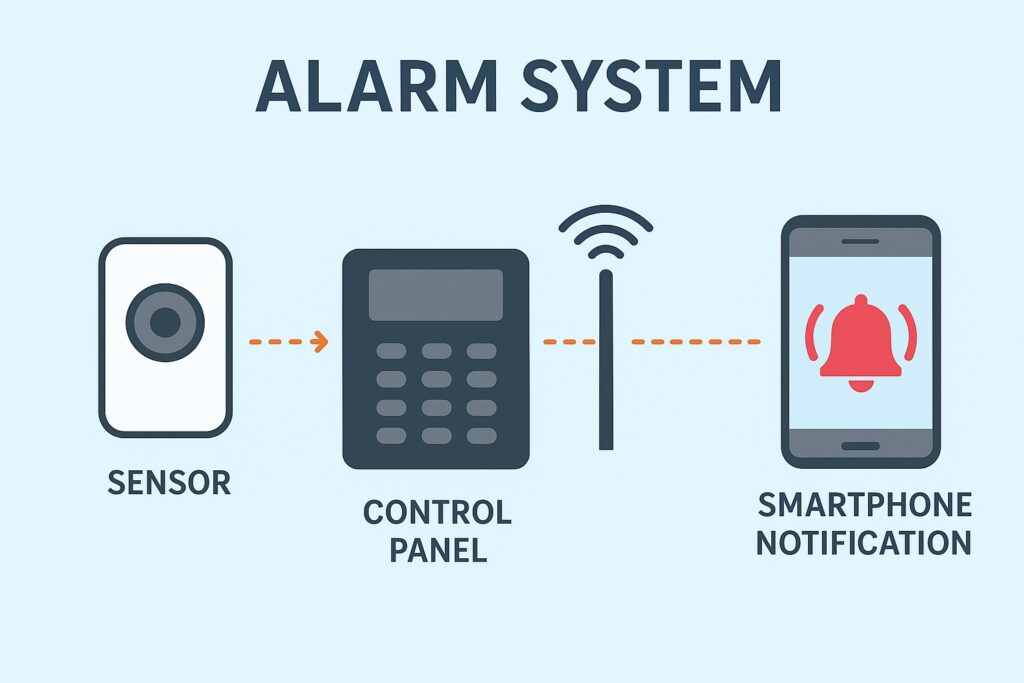
This process takes only seconds, ensuring that users are informed immediately when something goes wrong.
Types of Alarm Systems
There are several types of alarm systems, each designed for specific security needs:
1. Burglar (Intrusion) Alarm Systems
These are designed to detect unauthorized entry into a property. They use motion sensors, door/window contacts, and glass-break detectors to identify intrusions and alert users or security teams.
2. Fire Alarm Systems
Fire alarms detect smoke, heat, or flames and activate visual and audible warnings. They are essential for early evacuation and can be integrated with sprinkler systems or emergency services.
3. Carbon Monoxide (CO) and Gas Alarm Systems
These detect harmful gases like carbon monoxide or methane, preventing poisoning or explosions in homes and industries.
4. Panic and Emergency Alarms
Commonly used in banks, hospitals, or schools, these allow users to trigger a silent alarm during emergencies, such as robberies or medical crises.
5. Smart (IoT-Based) Alarm Systems
Modern smart alarms use Wi-Fi, Bluetooth, and cloud technology to connect to smartphones, enabling remote monitoring and control. They can also integrate with smart home ecosystems like Alexa, Google Home, or Apple HomeKit.
Key Components of an Alarm System
- Control Panel: The “brain” of the system that processes signals and manages responses.
- Sensors/Detectors: Devices that detect motion, sound, smoke, or gas leaks.
- Alarm Siren or Buzzer: Emits a loud noise to deter intruders and alert occupants.
- Keypad or Remote: Used to arm, disarm, and configure the system.
- Cameras (optional): Provide visual confirmation of detected activity.
- Communication Module: Sends alerts to mobile devices or monitoring centers.
Benefits of Alarm Systems
1. Crime Prevention
Visible alarms act as a strong deterrent against burglars and vandals.
2. Emergency Detection
Fire, smoke, and gas alarms can save lives by detecting danger early.
3. Peace of Mind
Homeowners and business owners can rest easy knowing their property is constantly monitored.
4. Remote Monitoring
With smart alarms, users can check system status, view live camera feeds, and receive alerts from anywhere in the world.
5. Lower Insurance Costs
Many insurance companies offer discounts to properties equipped with certified alarm systems.
Challenges and Considerations
While alarm systems offer numerous benefits, users should be aware of potential challenges:
- False Alarms: Can cause inconvenience or unnecessary emergency responses.
- Maintenance: Sensors and batteries need regular checks to ensure reliability.
- Network Dependency: Smart alarms may fail if internet or power is disrupted.
- Privacy Concerns: Connected systems must be secured against hacking.
Proper installation, maintenance, and cybersecurity practices can help minimize these risks.
The Future of Alarm Systems
As technology continues to evolve, so do alarm systems. Future innovations include:
- AI-based threat detection, reducing false alarms by analyzing behavior patterns.
- Cloud-integrated monitoring for faster data storage and access.
- Smart analytics that predict risks before they happen.
- Integration with drones and autonomous patrol systems for large-scale security.
These advancements are making alarm systems smarter, faster, and more reliable than ever before.
Conclusion
Alarm systems are no longer luxury items—they are essential security tools that protect homes, businesses, and communities from a variety of threats. Whether it’s a basic intrusion alarm or an intelligent, cloud-connected system, the goal remains the same: to provide safety, confidence, and peace of mind in an increasingly uncertain world.