The Growing Importance of Cybersecurity in the Digital Age
Introduction
In an increasingly connected world, cybersecurity has become one of the most critical challenges facing individuals, organizations, and governments. As digital transformation accelerates, so does the sophistication and frequency of cyberattacks. From data breaches and ransomware to phishing and identity theft, the modern threat landscape is vast and ever-evolving. Cybersecurity is no longer an optional investment—it is a fundamental pillar of digital trust and resilience.
What Is Cybersecurity?
Cybersecurity refers to the practice of protecting computer systems, networks, and data from digital attacks, unauthorized access, or damage. It encompasses a range of technologies, processes, and best practices designed to safeguard information and maintain the confidentiality, integrity, and availability of digital assets.
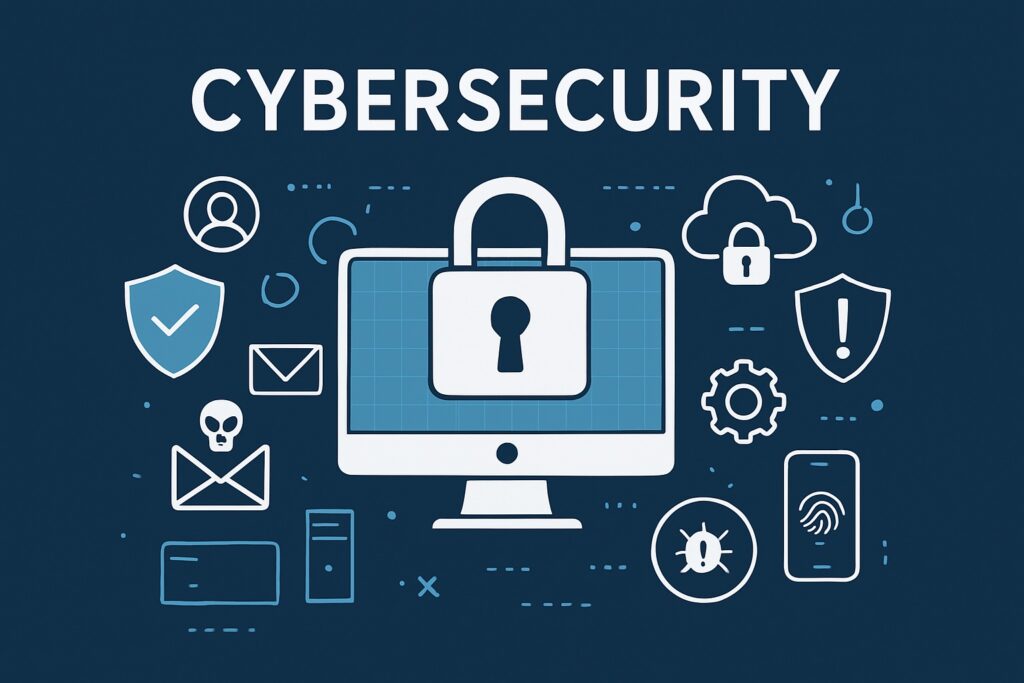
Key elements of cybersecurity include:
- Network Security: Protecting internal networks from intrusion and misuse.
- Information Security: Ensuring that data remains private and unaltered.
- Application Security: Securing software and applications from vulnerabilities.
- Cloud Security: Protecting data and systems hosted in cloud environments.
- Operational Security: Managing data handling and access controls effectively.
Common Cyber Threats
- Phishing Attacks: Fraudulent attempts to trick individuals into revealing sensitive information, often through deceptive emails or websites.
- Ransomware: Malicious software that encrypts data and demands payment for its release.
- Malware: Software designed to damage or gain unauthorized access to systems.
- Denial of Service (DoS) Attacks: Overloading systems to make them inaccessible.
- Insider Threats: Security breaches caused by employees or contractors who misuse access privileges.
These threats can have devastating consequences—financial losses, reputational damage, and legal liabilities are just the beginning.
Why Cybersecurity Matters
The global cost of cybercrime is projected to reach $10.5 trillion annually by 2025 (Cybersecurity Ventures, 2023). This figure highlights how digital insecurity threatens economies and societies alike. Businesses face not only direct financial harm but also long-term trust erosion. For individuals, identity theft and data breaches can cause irreparable personal and financial harm.
Moreover, with critical infrastructure—such as healthcare, energy, and transportation—becoming increasingly digitized, cybersecurity is now a matter of national security. Governments around the world are enacting stricter data protection and privacy laws, including the GDPR (Europe) and CCPA (California), to safeguard citizens’ digital rights.
Best Practices for Strengthening Cybersecurity
- Use Strong, Unique Passwords: Implement multi-factor authentication whenever possible.
- Keep Systems Updated: Regularly apply software patches to close vulnerabilities.
- Educate Users: Human error remains the leading cause of breaches; training helps mitigate this risk.
- Backup Data Regularly: Maintain secure backups to recover quickly from attacks.
- Implement Firewalls and Antivirus Tools: Basic yet essential layers of defense.
- Monitor and Respond: Use intrusion detection systems and maintain an incident response plan.
The Future of Cybersecurity
Emerging technologies such as Artificial Intelligence (AI) and Quantum Computing will shape the next era of cybersecurity. AI-driven systems are already helping detect anomalies faster than ever before, while quantum encryption promises to make data virtually unbreakable. However, as defenses evolve, so do the attackers’ methods—making cybersecurity a continuous race between innovation and exploitation.
Conclusion
Cybersecurity is the foundation of the digital future. Protecting our data, systems, and identities requires constant vigilance, adaptation, and collaboration. Whether you’re an individual user or a multinational corporation, cybersecurity must be treated not as a one-time project but as a long-term strategy. In an age where information is power, security is survival.