Home Automation: How Smart Tech Is Transforming Everyday Living
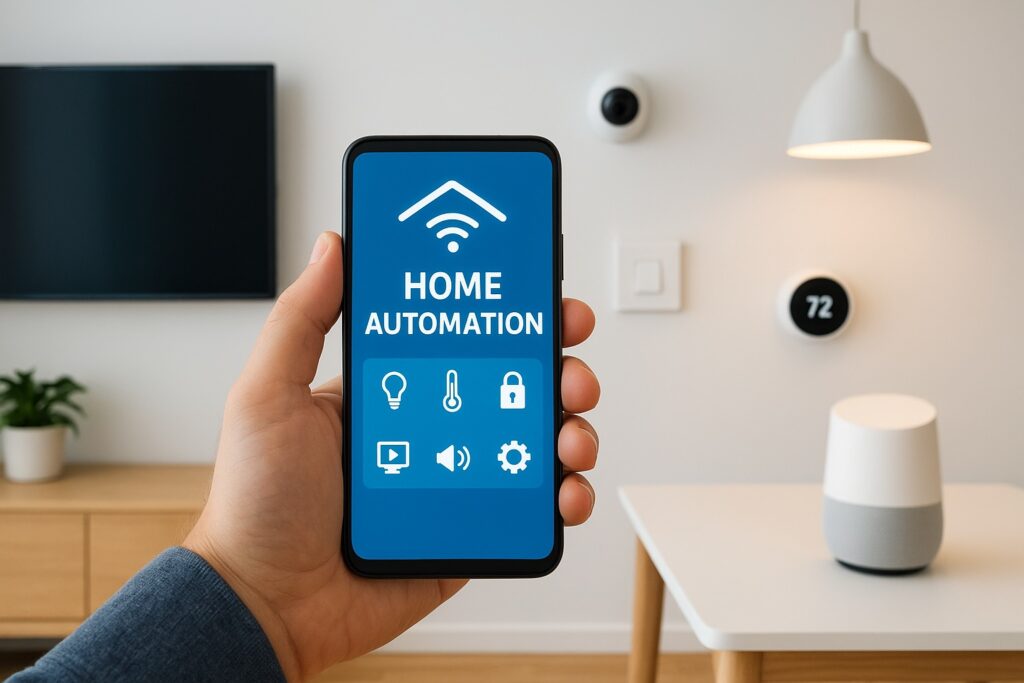
Over the past decade, home automation has moved from science-fiction fantasy to everyday reality. With smart devices, wireless connectivity, and AI becoming more affordable and accessible, transforming your home into a “smart home” is now easier than ever. Whether it’s telling your lights to dim with a simple voice command or checking your security cameras from miles away, automation is redefining comfort, convenience, and control.
What Exactly Is Home Automation?
Home automation is the use of smart technology to control your home’s systems and appliances automatically or remotely. These can include:
- Smart lighting with bulbs and switches you can schedule or control by voice
- Climate control, like thermostats that learn your habits
- Security devices, from doorbell cameras to smart locks
- Entertainment systems, including connected TVs and speakers
- Appliances, such as robot vacuums or smart refrigerators
Using apps, voice assistants, or automated routines, you can manage your entire home from your phone—or let your home manage itself.
Why Home Automation Is Becoming Essential
1. Convenience You Can Feel
Imagine waking up to a warm house, your blinds opening automatically, and your coffee brewing—all without lifting a finger. Automation handles repetitive tasks so you don’t have to.
2. Stronger Home Security
Smart security systems offer immediate alerts, remote monitoring, and automated locking. Whether you’re at work or on vacation, you’re always in the loop.
3. Lower Energy Bills
Smart thermostats and lighting systems optimize usage, helping you reduce waste and save money without sacrificing comfort.
4. Accessibility for All
For seniors or people with mobility challenges, voice control, smart lighting, and automated safety features can make daily living easier and more independent.
5. Customized Living
Create scenes like “movie night” or “bedtime” where multiple actions happen at once—lights dim, locks engage, and your thermostat adjusts automatically.
How Home Automation Works Behind the Scenes
Most automated setups rely on:
- Smart sensors that detect movement, temperature, and more
- IoT connectivity (Wi-Fi, Bluetooth, Zigbee, Z-Wave) to link devices
- Voice assistants like Alexa, Google Assistant, or Siri
- AI and machine learning to learn habits and optimize routines
This ecosystem works together to make your home smarter and more responsive over time.
Things to Consider Before Automating Your Home
Home automation isn’t without challenges. Some things to keep in mind:
- Security: Connected devices can be vulnerable if not protected.
- Compatibility: Not all devices play well together—choose tech carefully.
- Cost: A full smart home setup can require an upfront investment.
- Privacy: Smart devices collect data, so choose companies you trust.
What’s Next for Smart Homes?
The future of home automation is even more exciting. Expect to see:
- Smarter AI that anticipates your needs before you ask
- Sustainable systems designed to reduce energy consumption
- Smart city integration, connecting homes to broader infrastructure
- Home robotics, offering advanced cleaning and personal assistance
As these trends grow, smart homes will become more intuitive, efficient, and personalized than ever.
Final Thoughts
Home automation is rapidly becoming a standard part of modern living. From improved safety to eco-friendly energy use and effortless convenience, smart technology enhances everyday life in ways big and small. And as innovation continues, the possibilities for smarter, more connected living are limitless.